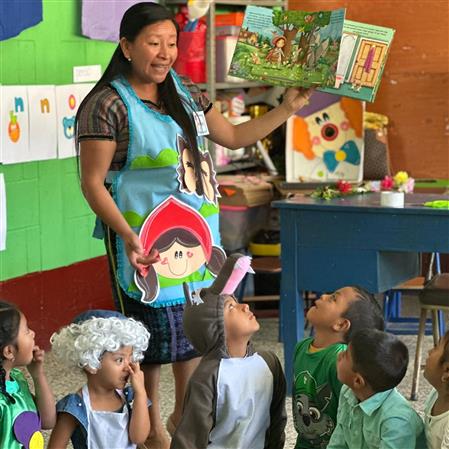
 Guatemala has one of the most extreme combinations of poverty, illiteracy and inequality. 4 out of 5 indigenous Guatemalans live in poverty and 1 in 3 cannot not read or write. In Guatemala’s Western and Central Highlands, the most illiterate part of the country, during the 2023 Guatemalan school year, primary school literacy training expanded in 30 communities, serving 5,711 students and training 243 teachers thanks in part to a Global Grant from The Rotary Foundation, US$1000 from the Rotary Club of Quesnel and 154 separate funding contributors.
The US$57,000 project aimed to strengthen both traditional and technological literacy in the communities supported in four key areas. This project was part of the Guatemala Literacy Project (GLP), a network of Rotarians and the nonprofit organization, Cooperative for Education (CoEd), to improve education for underserved students in Guatemala.
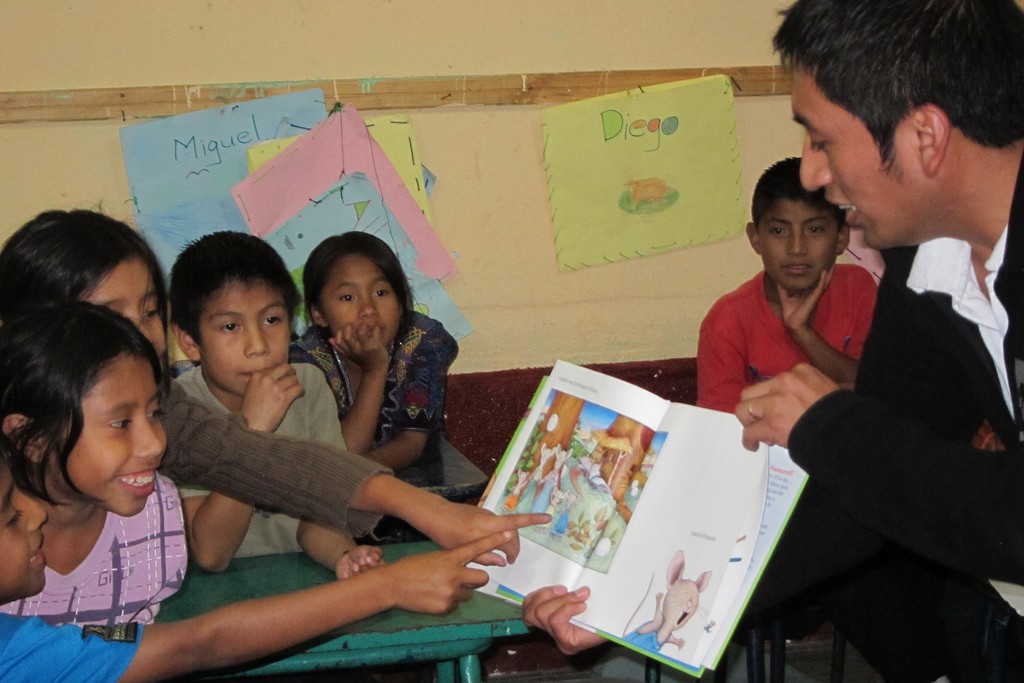 One of the program's four key areas was the Spark Reading Program provided professional development that enables primary-school teachers to become experts in reading instruction. The program delivered 36 to 75 children’s books (per teacher) for reading in the classroom every day plus intensive teacher training program and in-class coaching so that students could become better readers, critical thinkers, and lifelong learners. In 28 schools 230 teachers and 5,364 students benefitted from this part of the program.
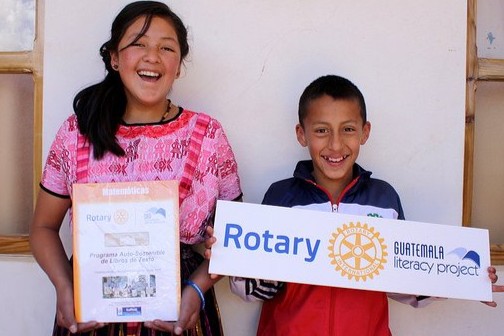
In another key area, middle-school students in rural Guatemala gained access to high-quality textbooks in subjects like math, science, Spanish language, and social studies, which each school rents to their students for a small fee of US$1.50 per month. These fees go to a sustainability fund, managed by the cooperating organization, Cooperative for Education (CoEd), and overseen by local Rotarians, which is used to replace books once they wear out. The textbook projects benefitted 12 teachers and 416 students in three schools. An additional 168 teachers and principals joined these teachers in receiving training in how to achieve the objectives of Guatemala’s national middle-school curriculum while engaging their students in the learning process.
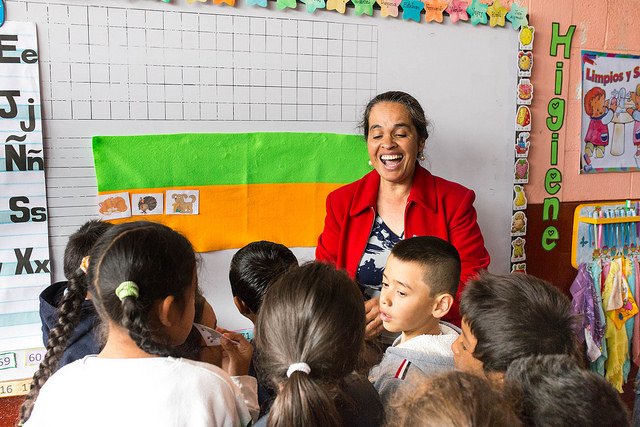 A third key area was the computer centers to prepare middle-school students to enter the workforce by providing 60-90 minutes per week of hands-on technological instruction, using a curriculum that conforms to the standards of Guatemala’s national curriculum and covers approximately 34 lessons over the course of a year in the use of standard business software. These computer centers benefitted two teachers and 295 students in two schools.
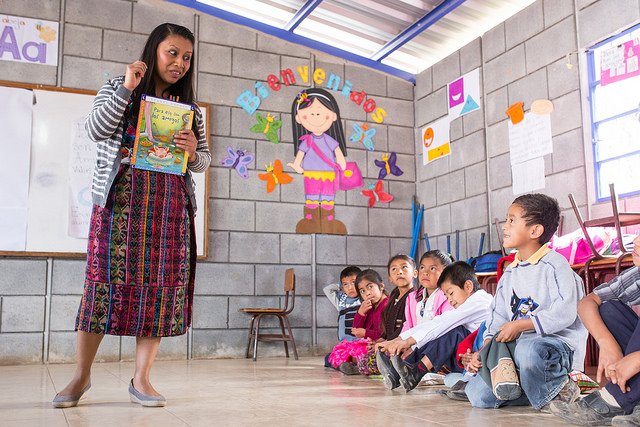 A fourth key area was the Rise Youth Development Program to reduce gender disparities in education in Guatemala and provide students the tools they would need to succeed in school and in life. The Program, of benefit to 778 students in 19 communities, provided programing to get girls and some boys into school and keep them there, helping them envision a brighter future for themselves. The Program's trainers provide education in the areas of workforce preparation, life skills, social and emotional learning (self-esteem, goal-setting, etc.), and gender equality, one-on-one tutoring and individualized follow-up to help students, especially girls, address barriers to staying in school. Some of the extracurricular programming included workshops, some involving members of the Rotary Club of Guatemala de la Asunción and other Guatemalan clubs and field trips to local businesses or post-secondary education opportunities. Many of the students were sponsored personally by Rotarians who are also involved with the Guatemala Literacy Project.
 |  |